Blog: AI Transformation for Business Owners | Unusual Concepts

Blog
AI transformation
for business owners

Three weeks of working is not the same as ready
Three weeks of working is not the same as ready

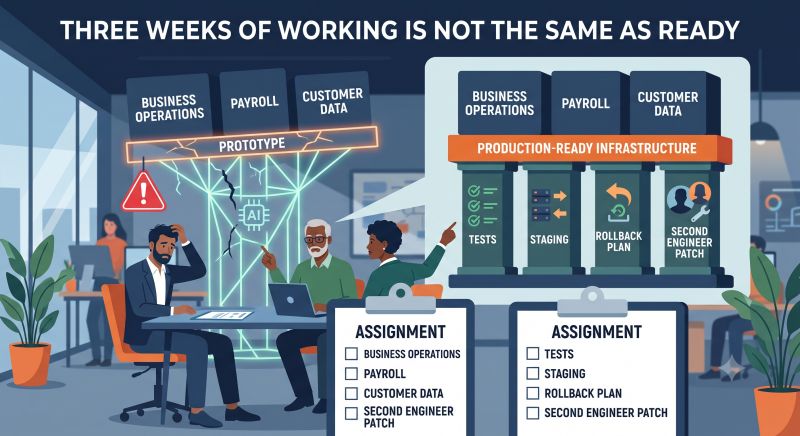
Yesterday, I sat on a call with a small business owner and a senior engineer. The owner had spent months building his own operations software with AI as the second pair of hands. It worked and it was live, processing real transactions.

Will we get cheaper tokens?

Will we get cheaper tokens?

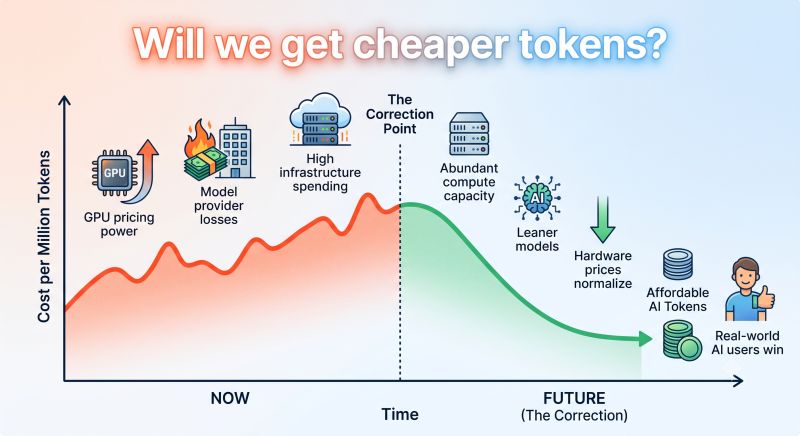
The AI bubble is not really about valuations. It is about infrastructure economics.

How do you make Claude skills actually improve over time?

How do you make Claude skills actually improve over time?

I have a judgment agent that sorts my Gmail deciding: to keep message in the inbox, or push to a digest folder. It runs every hour since May.

The more personal a business is, the less it can be automated

The more personal a business is, the less it can be automated

The more personal a business is, the less it can be automated. This belief is comforting and it is also false.

Who is your Julia?

Who is your Julia?

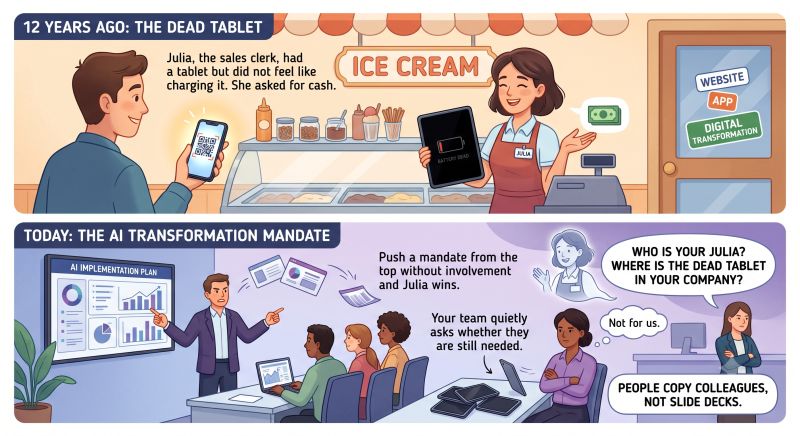
Twelve years ago my former co-founder and I tried to pay for ice cream with a QR app that was supposed to be the future. The technology worked. Julia, the sales person, had a tablet for exactly this purpose. But the battery was dead, she did not feel like charging it, and she asked us for cash.

Building Resilience From The Ground Up

Building Resilience from the Ground Up

Resilience is crucial in today’s business world. This Forbes article outlines key strategies for building a resilient organization, from fostering a strong culture to prioritizing employee well-being and embracing innovation.

Discover actionable insights to help your team navigate challenges effectively.

Building a Culture of Resilience: Key Principles and Practices

To foster resilience, leaders advocate decentralized decision-making, develop employees' skills, and encourage collaboration. Cultivating a learning culture, empowering risk-taking, and leveraging technology are crucial. Regular strategy reviews, prioritizing customer satisfaction, and modular value delivery processes enhance flexibility. Overall, resilience is nurtured through proactive leadership, skill development, communication, and adaptability.

Organizational Agility: A Leader’s Toolkit for Fostering Agile and Resilient Organizations

Agile leaders prioritize interactions, adapt plans as needed, and foster creativity within clear boundaries. They empower teams to streamline workflows, reflect regularly, and provide autonomy while ensuring alignment. Creating a safe space for experimentation, they empower lower levels to drive change efficiently. Agility means delivering value while remaining adaptable, not abandoning structure but enhancing flexibility and responsiveness.

Fortifying the Future: Strategies for Cultivating Resilience and Agility in Organizations

Organizational resilience means emerging stronger from disruptions. This requires proactive planning, scenario analysis, and agile methodologies like Agile or Scrum. Leveraging digital tools, investing in technologies such as cloud computing and AI, and harnessing data analytics are crucial. Collaboration with diverse partners and engagement with the wider ecosystem enhance resilience.

Building Resilient Companies: The Power of Decentralized Management Systems

Many companies falter when they fail to adapt to the modern norms of structuring their organization. What sets a company apart and ensures its survival is their ability to recognize the need for organizational resilience. For those witnessing declining EBITDA, there’s hope in exploring new avenues to revitalize and fortify their companies. One such way is embracing decentralized management systems, a shift that not only takes the pressure off the top when compared with traditional methods, but will also increase productivity.